 Cartilage
 Knees
Knees Hip
Hip Shoulder
ACL Tear: How Knee Biomechanics Change Over Time
05/03/26


In recent years, there has been growing interest in innovative, non-traditional approaches to managing joint problems, especially those involving damaged cartilage. Traditional treatments often provide limited relief and may not restore full joint function. Hydrogels have emerged as an exciting option, offering advanced, bioengineered materials that actively support tissue healing and regeneration. They are particularly promising for repairing knee and other joint cartilage, marking a shift away from conventional supplements or surgical methods by encouraging natural regrowth.
Hydrogels are remarkable materials made up of three-dimensional, water-rich networks that closely resemble the natural environment of human tissues. This quality makes them ideal for medical use, where compatibility with the body and moisture retention are essential. Essentially, hydrogels act as scaffolds that provide a supportive framework for new cell growth, helping new tissue to integrate smoothly with existing cartilage.
These hydrogels are carefully designed using a mix of natural polymers, such as collagen, and synthetic materials tailored for durability and compatibility. Their design ensures they do not trigger adverse immune reactions, while encouraging the activity of cells vital for cartilage repair. It’s important to note that hydrogels are far more sophisticated than everyday gels. In fact, one clinical study described the product ChondroFiller as “a safe and simple workable method… all defects could be filled successfully.” This highlights their potential in regenerative medicine.
The way hydrogels work in cartilage repair is by creating a nurturing matrix where cells can settle, multiply, and develop into healthy cartilage tissue. When applied to a damaged joint, the hydrogel acts as a scaffold allowing chondrocytes—the cells responsible for making cartilage—to populate the area and rebuild the tissue. Often, growth factors are combined with hydrogels to boost cell growth and guide the formation of strong, natural cartilage.
Animal studies have shown that these scaffolds can significantly improve cartilage quality and function. Early human trials are also encouraging, particularly for knee cartilage repair, with results that outperform traditional treatments that lack such structural support. One study noted that “the implant shows a perfect integration to the adjacent cartilage right from the beginning and by time an impressive maturation of the reconstructed cartilage.”
This active role makes hydrogels far superior to passive treatments, as they help organise and promote new cartilage development, which is essential for successful healing.
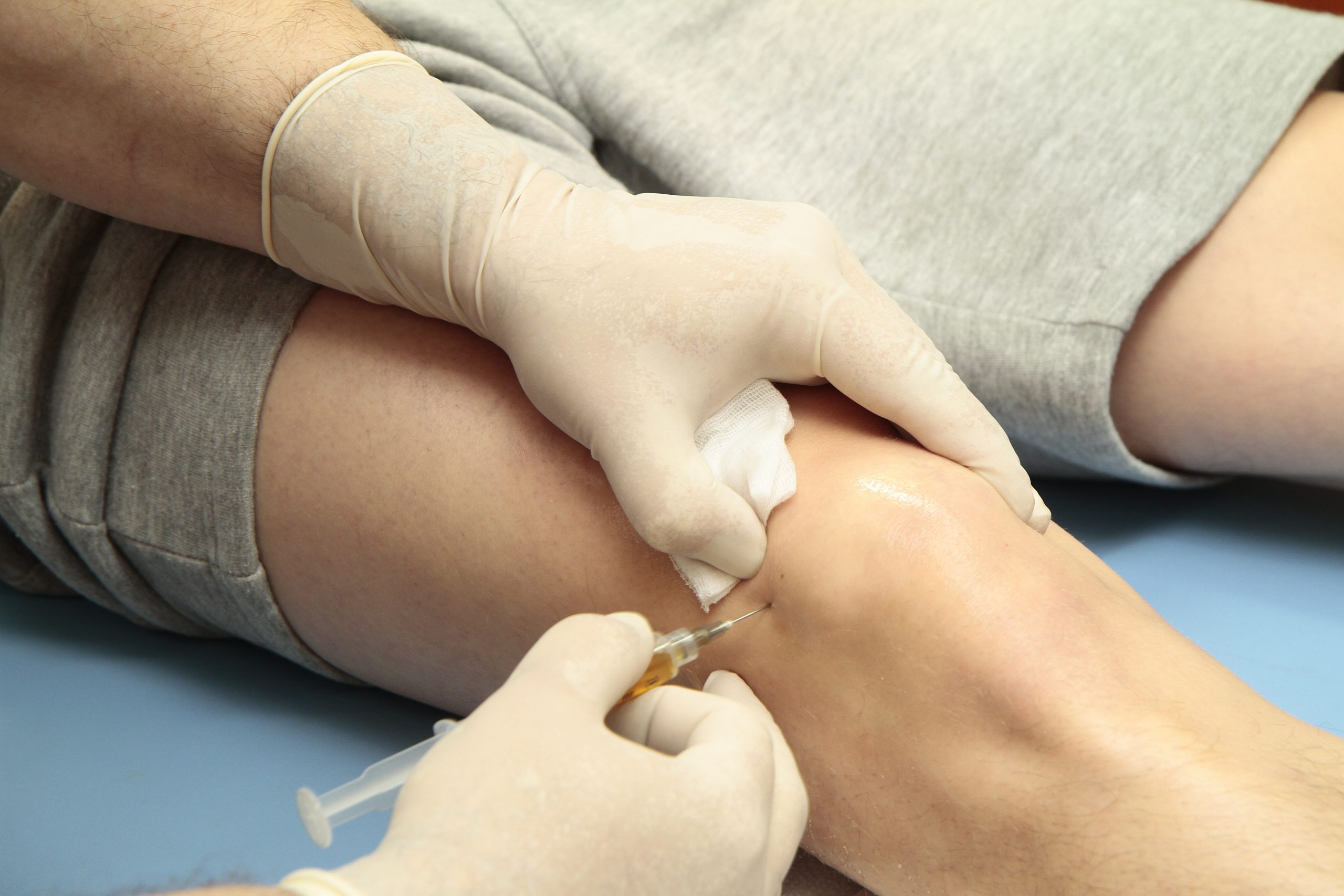
Hydrogel treatments for cartilage regrowth are becoming more widely available through specialist clinics and research programmes offering the latest therapies. They are typically recommended for people with focal cartilage damage or early osteoarthritis who want alternatives to invasive surgery. What sets hydrogels apart is their precision and ability to create a supportive, healing environment tailored to the body’s natural repair processes.
Advances in application techniques also help improve outcomes. For example, a study on hip cartilage treatment highlighted “the use of a combination of a curette and a needle… [to] facilitate the implantation of biologic and injectable materials during arthroscopy.” This kind of innovation makes treatments less invasive and more effective.
Professor Paul Lee brings extensive orthopaedic and rehabilitation expertise to patient care, and the London Cartilage Clinic offers a professional, patient-focused setting to ensure the best possible support and recovery. Receiving treatment in such specialised environments is key to accessing cutting-edge cartilage regeneration and personalised care.
While hydrogels show great promise, it is important to be aware of their limitations. Some patients may experience immune reactions, and in certain cases, cartilage regrowth might be incomplete. Long-term data on how well these treatments hold up over time is still emerging, so ongoing research is vital. Experts recommend that “further prospective randomised studies with higher case numbers and longer follow-up… are needed to fully evaluate this new treatment.”
Continuous improvements in hydrogel formulations and delivery methods will likely make these therapies more accessible in the future. As technology evolves, hydrogels may become even better at mimicking natural cartilage and integrating with the body’s tissues. Nevertheless, anyone considering hydrogel treatments should seek personalised advice from qualified healthcare professionals to ensure the best outcomes.
Hydrogels are an exciting development in cartilage repair, combining advanced science with the body’s natural healing powers. Their ability to support cell growth and provide a scaffold for new cartilage offers hope to patients seeking minimally invasive and effective treatments. For personalised medical advice, always consult a qualified healthcare professional.
Hydrogel treatments use advanced, bioengineered materials that actively support natural cartilage regrowth. At the London Cartilage Clinic, Professor Paul Lee applies the latest hydrogel innovations, offering patients therapies that go beyond traditional supplements or invasive surgical approaches for joint restoration.
Patients with localised cartilage damage or early osteoarthritis may benefit from hydrogel-based repair. Under Professor Paul Lee’s expert care, the London Cartilage Clinic provides assessments to determine if these sophisticated, minimally invasive treatments are suitable for each individual’s needs and health circumstances.
Professor Paul Lee is a renowned cartilage expert, Regional Surgical Ambassador and Royal College of Surgeon of Edinburgh Advisor. With his wealth of orthopaedic and rehabilitation experience, patients at London Cartilage Clinic receive specialist guidance and access to advanced cartilage regeneration using innovative hydrogel techniques.
A specialist clinic, like the London Cartilage Clinic, offers advanced facilities and expert care from leaders such as Professor Paul Lee. Patients benefit from professional support, tailored rehabilitation programmes, and cutting-edge regenerative treatments not typically available through general medical settings.
While hydrogel treatments are promising, some patients may experience immune reactions or incomplete cartilage regrowth. The long-term durability is still under research. At London Cartilage Clinic, every patient receives a personalised risk assessment and the most up-to-date expertise from Professor Paul Lee.
All our treatments are selected to help patients achieve the best possible outcomes and return to the quality of life they deserve. Get in touch if you have any questions.
At London Cartilage Clinic, we are constantly staying up-to-date on the latest treatment options for knee injuries and ongoing knee health issues. As a result, our patients have access to the best equipment, techniques, and expertise in the field, whether it’s for cartilage repair, regeneration, or replacement.
For the best in patient care and cartilage knowledge, contact London Cartilage Clinic today.
At London Cartilage Clinic, our team has spent years gaining an in-depth understanding of human biology and the skills necessary to provide a wide range of cartilage treatments. It’s our mission to administer comprehensive care through innovative solutions targeted at key areas, including cartilage injuries. During an initial consultation, one of our medical professionals will establish which path forward is best for you.
Contact us if you have any questions about the various treatment methods on offer.
Legal & Medical Disclaimer
This article is written by an independent contributor and reflects their own views and experience, not necessarily those of londoncartilage.com. It is provided for general information and education only and does not constitute medical advice, diagnosis, or treatment.
Always seek personalised advice from a qualified healthcare professional before making decisions about your health. londoncartilage.com accepts no responsibility for errors, omissions, third-party content, or any loss, damage, or injury arising from reliance on this material. If you believe this article contains inaccurate or infringing content, please contact us at [email protected].